Blog
What the Seasons Do to a Madison Garage Door
Most Madison houses went up between 1976 and 2012. Here's what the cold-moderate swings here actually do to the door and when it's worth a call.
What Changes With the Season
Madison's housing stock mostly dates from 1976 to 2012, with the median build year sitting around 1993. That matters because the hardware on a door installed in 1993 is now over thirty years old, and torsion springs have a duty-cycle life measured in thousands of cycles, not years. As temperatures swing through a Madison winter and back into a humid summer, the steel in the spring and track expands and contracts. On a door that old, the spring is already near the end of its rated life, so the seasonal swing is often what pushes it past the breaking point rather than causing the wear itself. Across the twelve named areas that make up this service territory, the stock skews heavily 1980s-90s, which means a lot of garages are hitting that same age window at roughly the same time. If your opener struggles more in January than in July, that's not your imagination - it's the grease in the bearings stiffening up and the balance shifting as the spring ages. A yearly check before the cold settles in catches most of this before it becomes a stuck door at 6am.
What the Weather Here Does to It
North Alabama's cold-moderate climate band doesn't bring the deep hard freezes of the upper Midwest, but it does cycle through freeze and thaw more than people expect. That cycling is harder on a garage door than a single hard winter would be. Weatherstripping on the bottom panel hardens and cracks faster when it's flexing through repeated temperature swings rather than sitting at one cold temperature all season. Steel panels on homes built in the 1976-2012 window were mostly single-layer or lightly insulated by today's standard, so they transfer outside temperature into the garage fairly directly - you feel the swing on the other side of the door almost as fast as it happens outside. Tracks and rollers pick up condensation during these swings too, and that moisture is what starts surface rust on hardware that's been in place since the house was built. None of this is dramatic weather. It's the quiet, repeated cycling that wears a thirty-year-old door down faster than one big storm would.
When to Call Someone
Call if the door is noticeably heavier to lift by hand than it used to be - that's usually a spring losing tension, and it's not a DIY adjustment on a torsion system. Call if you hear a bang followed by the door refusing to move; that's often a cable or a broken spring, and running the opener after that can bend the track. Call if the door sits unevenly when it's open, hanging lower on one side - that's a balance problem, and on hardware this age it can mean more than one part needs attention at once. With median household income in this service area at $91,842 and roughly 12,629 owner-occupied houses among the 15,816 households here, most owners are maintaining a paid-off asset, not weighing a repair against a mortgage decision - which is its own reason not to let a small noise turn into a stuck door on a workday morning. One honest limit: if the opener and the spring system are both original to a house from the early part of that 1976-2012 range, patching one part often just exposes the next one failing within the year, and at that point replacement is the more honest estimate to ask for.
The Problem
A chunk of Madison's garage doors are original equipment on houses built before insulation rules caught up with residential garages - plain single-layer steel, no foam core, hung on hardware sized for a lighter door than anything made today. That's common across the 1980s-90s stock that makes up most of this area, and it's not a flaw exactly, it's just what building standards looked like when these houses went up. The trouble shows up when a homeowner swaps in a modern insulated door without checking whether the opener and spring were sized for the extra weight - foam-core panels can run meaningfully heavier than the original steel-only panel they replace. The other version of this problem is the reverse: an original door, original spring, original opener, all pushing past three decades of cycles at once, with no single part obviously the culprit until one of them lets go. Either way, the fix starts with knowing which era of hardware you're actually working with, not just patching whatever squeaks loudest.
Questions
Common questions
Why does my garage door feel heavier in winter than summer?
On older hardware, cold makes the lubricant in the bearings and rollers stiffen, and a torsion spring that's lost some tension over the years has less margin to spare. The seasonal swing doesn't cause the wear, but it often exposes it - which is why doors tend to act up right as the weather turns.
My house was built in the 1980s - is the original door still safe to use?
Age alone isn't the issue, but a door and spring system that's original to a house from that era has likely gone through its full rated cycle count. If it's still working smoothly, that's fine. If it's noisy, uneven, or heavy to lift, that's the hardware telling you it's near the end, not a weather problem.
Should I upgrade to an insulated door if mine is original steel?
It's a reasonable upgrade given the single-layer doors common on houses from this build era, but check the spring and opener rating first. Insulated panels run heavier, and hardware sized for the original lighter door won't necessarily handle the swap without adjustment.
Is it ever not worth repairing an old door?
Yes - if the opener, spring, and track are all original to a decades-old house and more than one is failing, patching one part often just moves the problem to the next one within months. At that point a full replacement estimate is usually the more honest answer than a repeat repair bill.
Recommendation
You Might Also Like
More garage door guides for Madison homeowners.
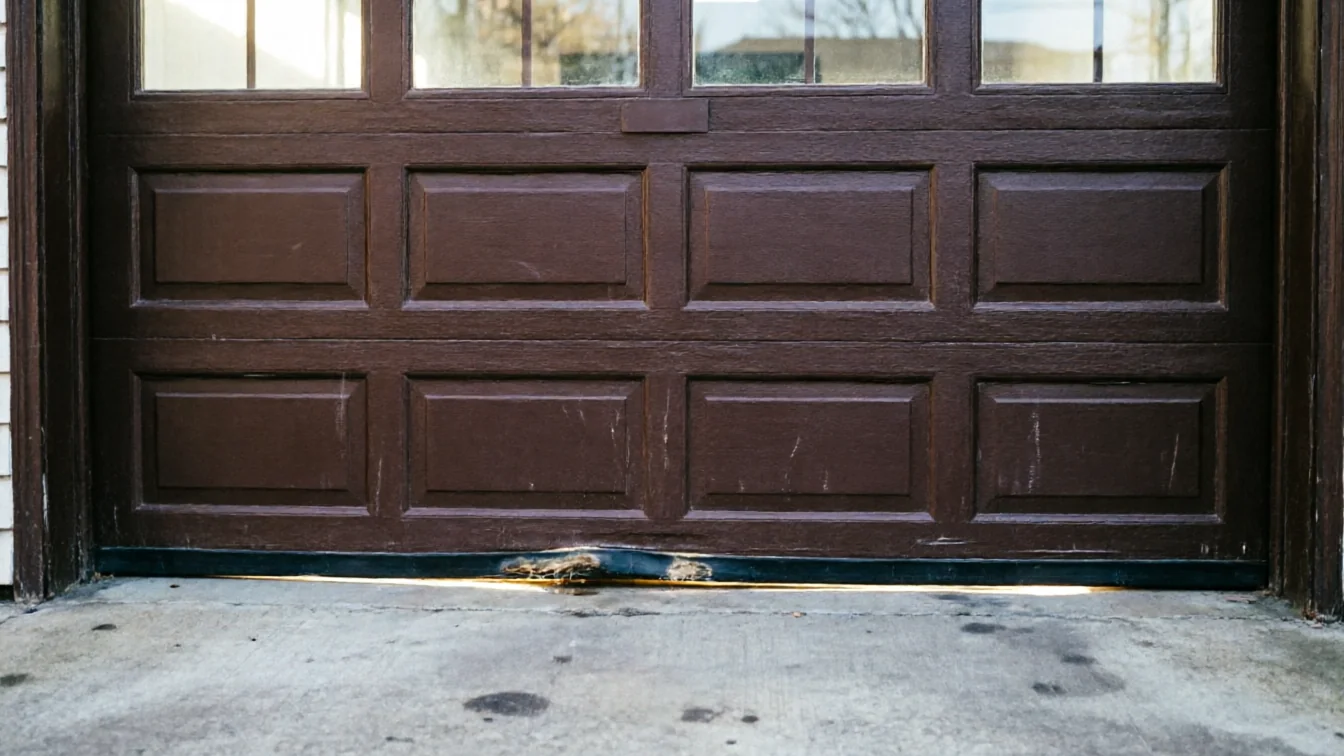 Here's What Happens When We Come Out to Your Door
A plain look at what a Madison Garage Door Co.
Is Your Madison Garage Door Worth Fixing, or Done
Madison homes mostly date 1976-2012, median 1993 - here's when a door from that era is worth repairing versus replacing, and what the cold-moderate climate does to it.
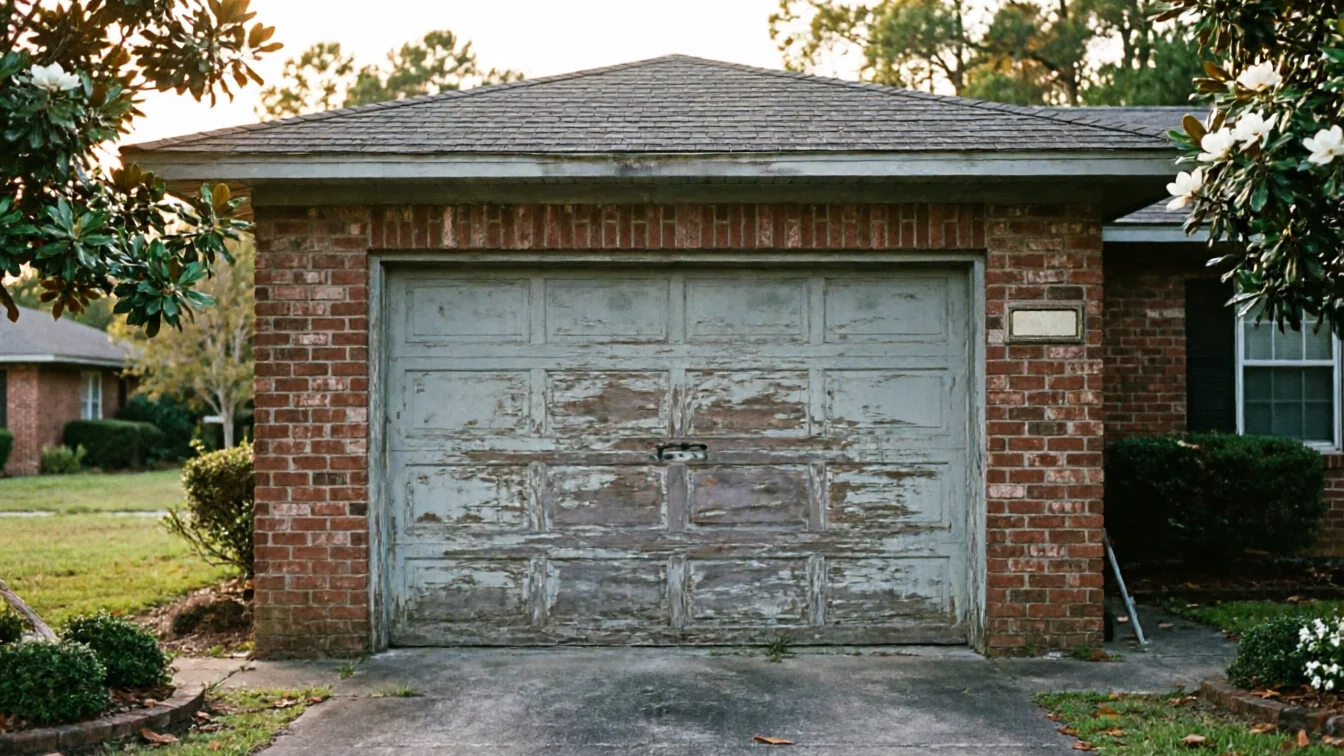 What That Sound From Your Garage Door Is Actually Telling You
A guide for Madison homeowners to the clicks, grinds, and bangs that come from 1980s-90s garage door hardware as the seasons turn in north Alabama.
Ready when you are
Need a garage door sorted in Madison?
Madison Garage Door Co repairs and installs garage doors, springs and openers in Madison, AL and the surrounding area.