Blog
What That Sound From Your Garage Door Is Actually Telling You
A guide for Madison homeowners to the clicks, grinds, and bangs that come from 1980s-90s garage door hardware as the seasons turn in north Alabama.
What Changes With the Season
Most of the garage doors we work on in Madison went in somewhere between 1976 and 2012, and the bulk of that stock is from the 1980s and 90s build-out across the area's twelve neighborhoods. That matters because steel expands and contracts, lubricant thickens in the cold, and hardware that's 25-40 years old has already seen a lot of that cycle.
In spring and fall you'll hear doors loosen up a little - tracks that were tight all winter start to rattle because the metal has flexed back toward its warm-weather shape. In summer, nylon rollers that were fine in January start squealing because the grease has thinned out and run. None of this is dramatic. It's just old hardware doing what old hardware does when the temperature swings.
If your house is on the older end of that 1976-2012 range, pay attention to the opener motor too. A motor that's logged close to three decades of Alabama seasonal swings will start drawing harder and sounding labored before it quits outright, usually a few weeks or months before it actually fails.
What the Weather Here Does to It
Madison sits in a moderate cold climate band - we get real winter cold snaps, not extreme ones, which is actually the worst combination for garage door hardware. Extreme cold would make people winterize properly. Moderate cold lets owners ignore the door until something seizes.
What happens: grease on torsion springs and rollers stiffens in a cold snap, the opener has to work harder to overcome that resistance, and you hear a grinding or shuddering sound on the first pull of the morning that goes away by afternoon once things warm back up. That sound is the spring and track telling you the lubricant is past due, not an emergency yet, but a symptom you shouldn't let ride through a whole winter.
The reverse happens in humid Alabama summers - metal fasteners and hinges can develop light surface rust if a door's been neglected, and that shows up as a squeak at the hinge pivot points rather than a grind. Different sound, different cause, same root problem: nobody's lubricated the moving parts in a year or two.
When to Call Someone
A single sharp bang when the door closes, especially if it's followed by the door refusing to open again, usually means a torsion spring has let go. Don't try to lift the door yourself at that point - a broken spring on a standard double door carries real tension and it's not a DIY fix.
A rhythmic thump-thump-thump as the door travels, in time with the door's movement, almost always traces to a flat spot or crack in a roller rather than anything with the opener. A grinding sound that happens every single cycle, not just on cold mornings, points to a worn track or bent rail rather than a lubrication issue - that's wear, not weather.
If the opener motor is straining audibly - a bogging, laboring sound rather than a smooth hum - on a door that's near the older end of our local 1976-2012 range, get it looked at before it fails during the next cold snap. A motor that's already struggling in October won't get better by January.
The Problem
Here's the honest limit: a sound alone doesn't always tell you whether you're looking at a $20 lubrication job or a spring replacement, and we're not going to guess over the phone and quote you blind. Hardware from the 1980s and 90s building boom across Madison varies enough - different manufacturers, different roller types, different spring gauges - that two doors making the same squeak can need two very different repairs.
With roughly 12,629 owner-occupied houses in this service area and median household income here above $91,000, most owners we see are weighing a repair against a full door replacement rather than scraping by - which is the right instinct once a door's hardware is original to a house built decades ago. We'd rather look at it in person than sell you parts over the phone that don't fix the actual noise.
Questions
Common questions
My garage door only makes noise on cold mornings, is that normal?
It's common in Madison's moderate cold winters. Grease on the torsion spring and rollers stiffens overnight and loosens as the day warms up. If it happens every morning through a whole cold stretch, it's worth a lubrication service rather than ignoring it until something seizes.
Why did my door suddenly bang and stop working?
A loud bang followed by the door not moving is almost always a broken torsion spring. It's common on doors original to houses built in the 1980s and 90s. Don't force the door open - call someone before you try to lift it manually.
Is a squeaky hinge different from a grinding track?
Yes. A squeak at the hinge pivots usually means light surface rust or dry lubricant, common after a humid Alabama summer. A grinding sound along the whole travel of the door points to a worn or bent track, which is wear rather than a seasonal lubrication issue.
Recommendation
You Might Also Like
More garage door guides for Madison homeowners.
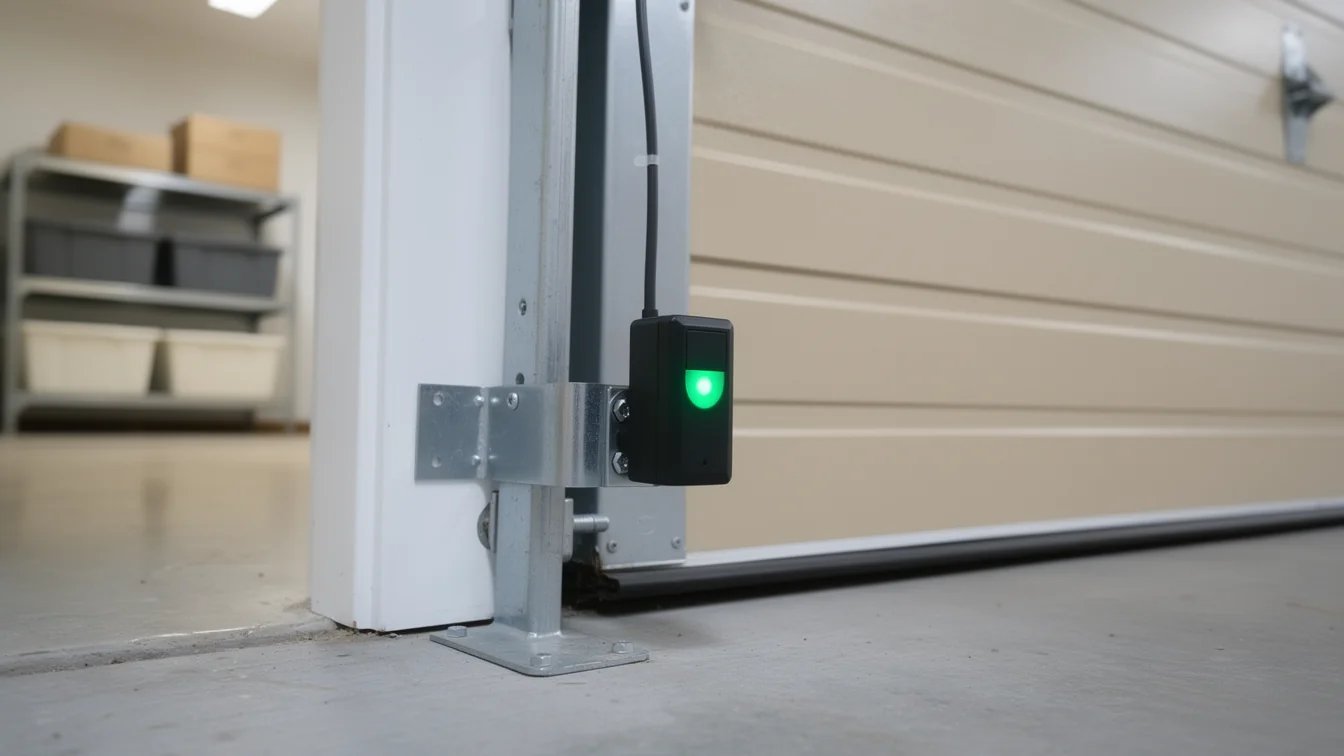 What the Seasons Do to a Madison Garage Door
Most Madison houses went up between 1976 and 2012.
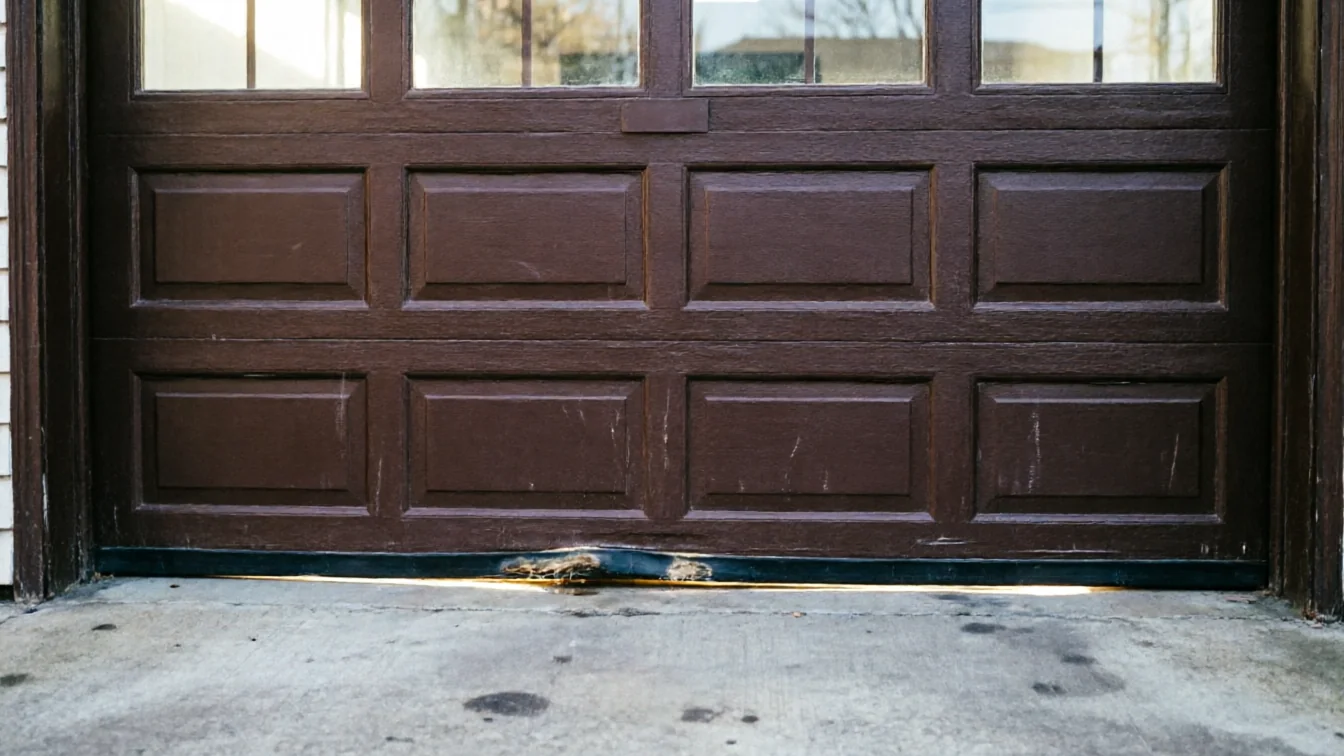 Here's What Happens When We Come Out to Your Door
A plain look at what a Madison Garage Door Co.
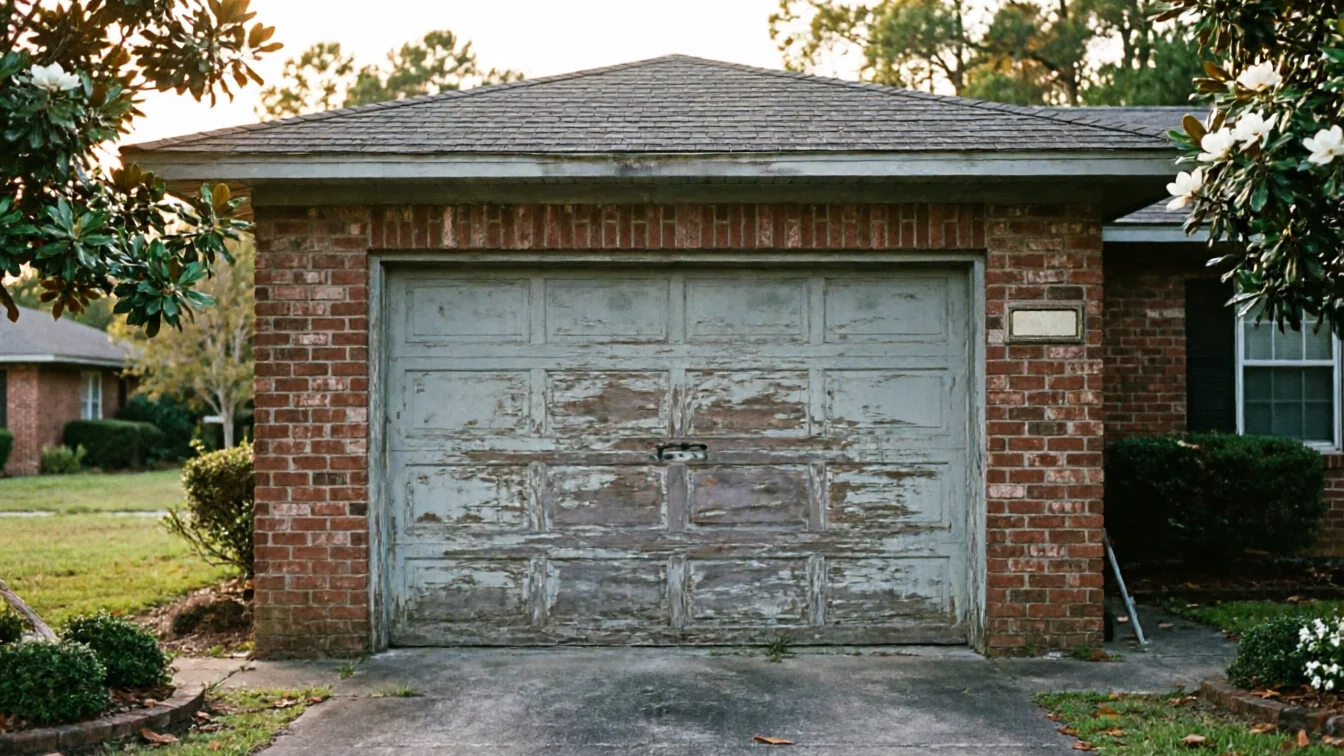 Openers, Power Cuts, and Madison's Aging Housing Stock
Why Madison's 1980s-2000s housing stock means openers without battery backup, and what a cold-weather power cut actually does to your garage door.
Ready when you are
Need a garage door sorted in Madison?
Madison Garage Door Co repairs and installs garage doors, springs and openers in Madison, AL and the surrounding area.