Blog
Here's What Happens When We Come Out to Your Door
A plain look at what a Madison Garage Door Co. service call actually checks, tied to the age of Madison-area homes and the cold-moderate swings the doors take here.
What Changes With the Season
A service call in this area isn't the same job in July as it is in January, and the reason is the houses themselves. Most of the homes we work on went up between 1976 and 2012, with the median build year sitting right around 1993. That's a lot of original torsion spring setups still on the wall, and torsion springs don't care what decade it is - they lose tension as the steel ages and cold snaps make that loss show up fast. When a homeowner calls saying the door feels heavier than it used to, half the time it's a spring that's been quietly dying since the Clinton administration.
We check tension, cycle count estimate based on the door's age, and track alignment every time, not just when something's broken. On a 1990s door that's never had the spring touched, that's often the whole call. On a newer build from the 2000s, it's usually something else - a sensor out of alignment, a roller that's worn through its nylon coating. The service call itself doesn't change. What changes is which part of it takes the longest, and that depends on how old the door in front of us actually is.
What the Weather Here Does to It
Madison sits in a cold-moderate climate band - real swings, but nothing like the Upper Midwest. That matters because it's exactly the kind of climate that's hard on garage doors without being obviously hard on them. Metal contracts in a cold front, grease in old bearings stiffens up, and a door that ran fine all October suddenly binds in the track the first week it drops into the 30s. It's rarely dramatic. It's a slow tightening that homeowners chalk up to the door just getting old, when it's really the temperature doing its job on hardware that was fine the week before.
On the housing stock we see most - built in the 80s and 90s across a dozen distinct pockets of the area - that shows up as stiff torsion bars and rollers that have gone from quiet to squealing almost overnight once the weather turns. We lubricate, check the bottom seal for gaps the cold has opened up, and look at whether the opener's force setting has drifted enough that the door's fighting itself. None of this is exotic work. It's maintenance that this climate makes necessary on a schedule most people don't think about until the door won't close.
When to Call Someone
Call if the door hesitates before it moves, if one side drops faster than the other, or if you hear a bang followed by the door going dead - that's almost always a broken spring and it is not a DIY afternoon. Call if the opener runs but the door barely lifts; that's tension, not the motor, and pushing the opener harder just burns it out faster.
Don't call, or at least don't panic, if it's just noisy. A squeak on a 20-year-old door with worn rollers is wear, not failure, and in a household income range like this area's median of $91,842, most people can plan a roller swap rather than treat it as an emergency.
Here's the honest limit: if your opener is old enough that the control board is out of production, we may need to special-order a replacement logic board rather than fix the one on the wall, and that can mean a wait. We'll tell you straight if that's the situation rather than string out a repair that won't hold.
The Problem
The problem on most calls in this area isn't one broken thing - it's a door built in the 80s or 90s carrying thirty-plus years of small deferred fixes that finally added up at once. Across the roughly 15,816 households in the service area, with about 12,629 of those owner-occupied houses, we see the same pattern over and over: a spring that was never replaced, rollers that were never lubricated, and an opener whose force setting was never adjusted after the spring started losing tension. Each one alone is minor. Together, they're why a door that worked fine last winter won't open this one.
A real service call checks all of it in order - springs, cables, rollers, track alignment, opener force and sensor alignment - rather than guessing at the one thing that finally gave out. Sometimes that means the fix is small. Sometimes it means telling a homeowner that replacement makes more sense than patching a door that's fighting its own age on every front at once. We'd rather say that than sell a repair that buys six months.
Questions
Common questions
How do I know if it's the spring or the opener?
If the door is hard to lift by hand with the opener disconnected, it's the spring - the opener isn't built to fight tension loss. If it lifts easily by hand but the opener struggles or reverses, the problem is in the opener's force setting or the sensors, not the spring.
Does the age of my house matter for a repair?
Yes. Most homes in this area were built between 1976 and 2012, median around 1993, so a lot of doors are running original torsion hardware. Parts for a 1990s setup aren't always the same as what's sold today, which can change how long a repair takes.
Do you fix doors or just replace them?
Both, depending on what's actually wrong. If the track, panels, and opener are sound and it's a spring or roller issue, we fix it. If the door's fighting age on multiple fronts at once, we'll say so rather than patch something that won't hold through the next cold spell.
Recommendation
You Might Also Like
More garage door guides for Madison homeowners.
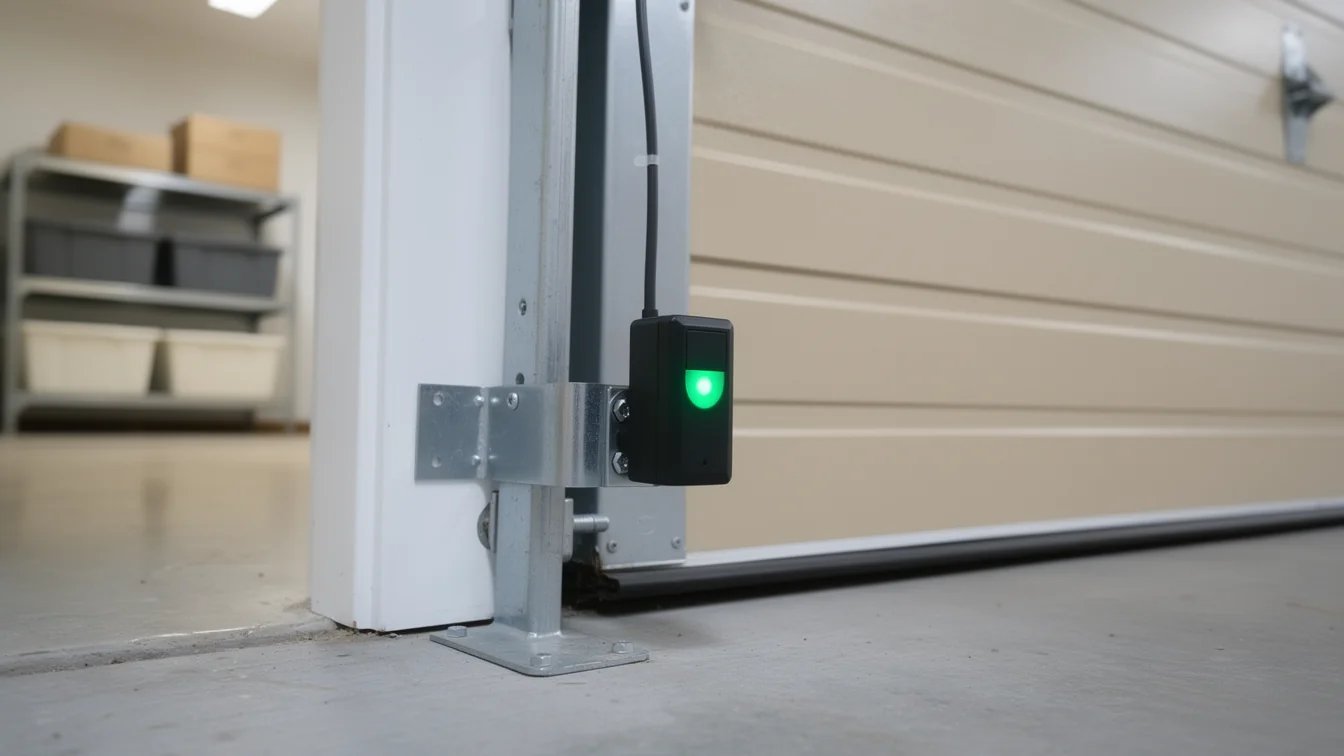 What the Seasons Do to a Madison Garage Door
Most Madison houses went up between 1976 and 2012.
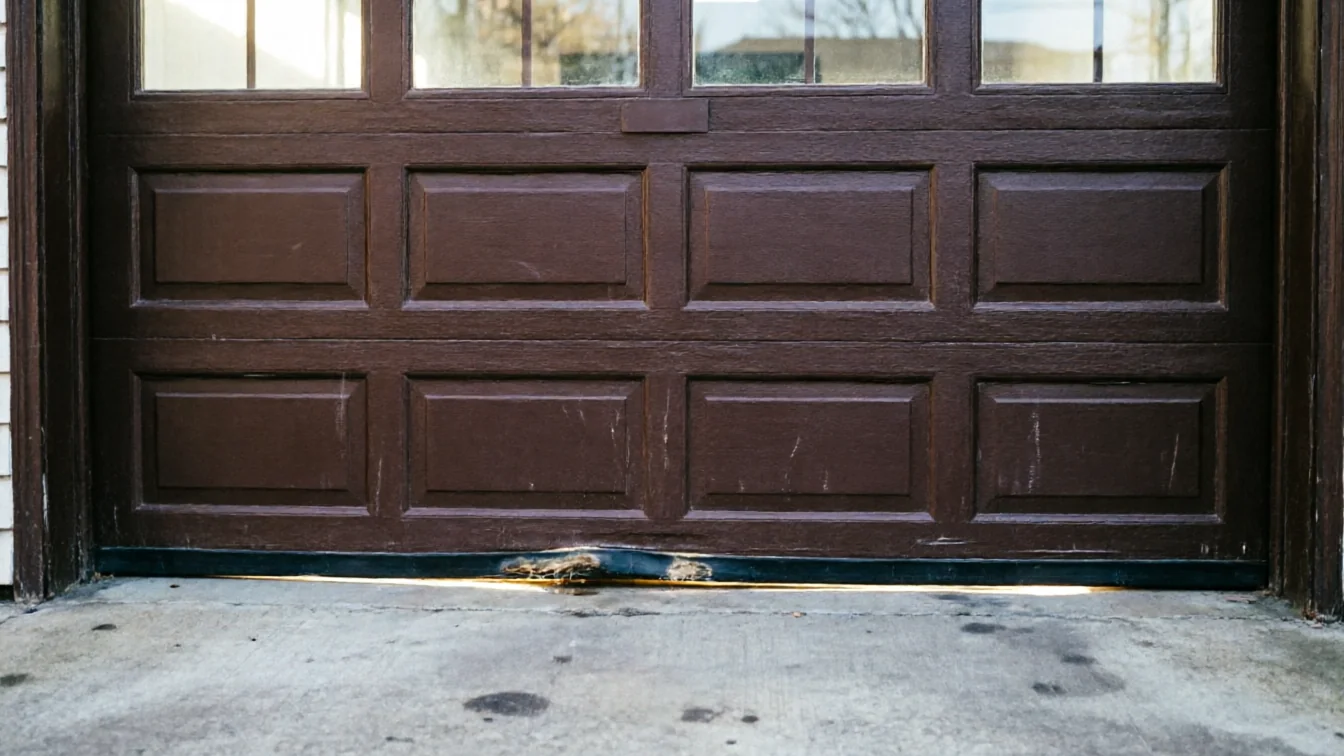 Is Your Madison Garage Door Worth Fixing, or Done
Madison homes mostly date 1976-2012, median 1993 - here's when a door from that era is worth repairing versus replacing, and what the cold-moderate climate does to it.
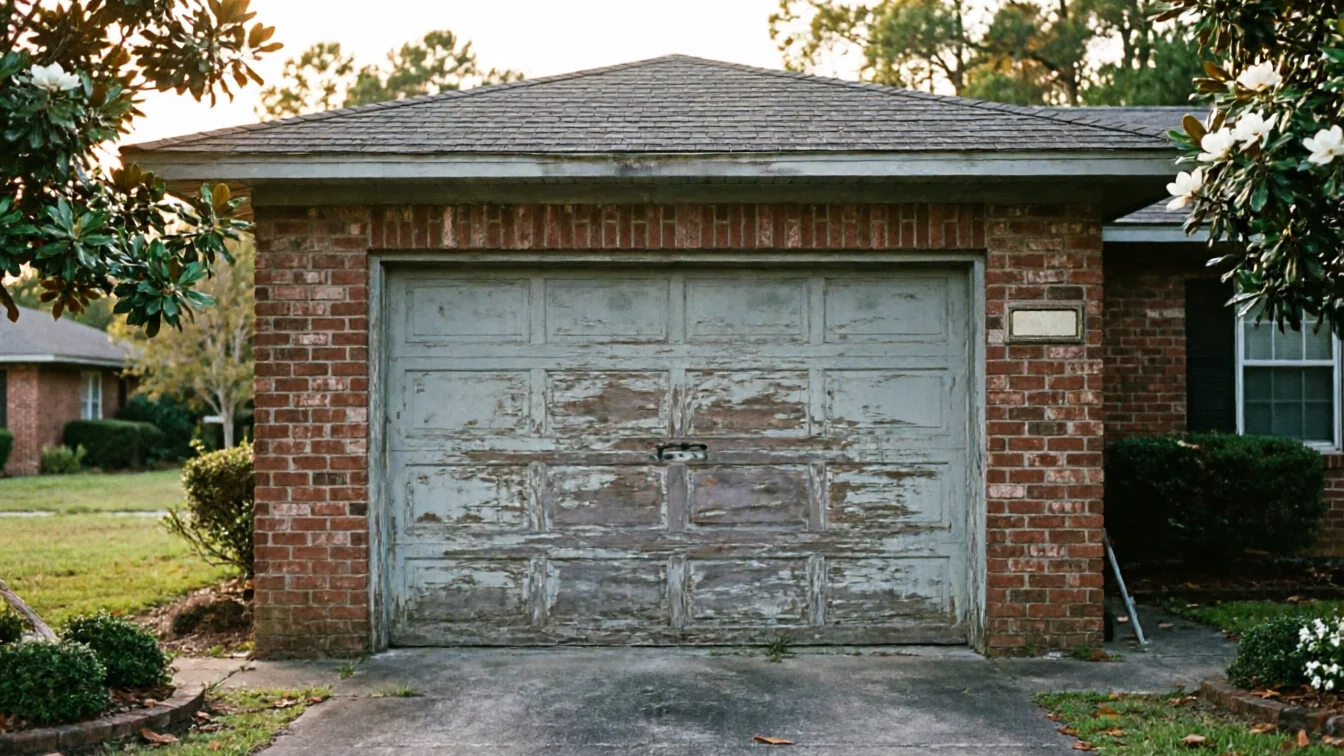 What That Sound From Your Garage Door Is Actually Telling You
A guide for Madison homeowners to the clicks, grinds, and bangs that come from 1980s-90s garage door hardware as the seasons turn in north Alabama.
Ready when you are
Need a garage door sorted in Madison?
Madison Garage Door Co repairs and installs garage doors, springs and openers in Madison, AL and the surrounding area.