Blog
Openers, Power Cuts, and Madison's Aging Housing Stock
Why Madison's 1980s-2000s housing stock means openers without battery backup, and what a cold-weather power cut actually does to your garage door.
What Changes With the Season
Across the twelve named areas that make up this service territory, most houses went up between 1976 and 2012, with the heaviest run of construction in the 1980s and 90s. That matters for openers specifically, because an opener installed when a house was built in, say, 1988 is now well past its working life, and a lot of those original units never had battery backup because it wasn't standard equipment at the time. Spring and fall bring the two swings that expose this: a cold snap that slows the gears and drains an aging backup battery (if there is one), and the first real heat that makes a tired capacitor finally give out. Neither is dramatic on its own, but they're the two windows where a 30-year-old chain-drive opener tends to quit. If your house falls into that 1980s-90s build range, the opener is probably original or a first replacement, and either way it's closer to the end than the middle. We see the same pattern across Redstone Arsenal, Triana, Harvest, and the other areas near Madison with similar-age housing - it's not a one-house problem, it's a stock-wide one.
What the Weather Here Does to It
Madison sits in a moderate cold climate band, not the deep-freeze zone, which means we don't get the kind of sustained sub-zero stretches that crack metal outright. What we do get is enough cold, often paired with a grid hiccup, to matter for openers built without battery backup. A power cut on a 20-degree morning doesn't just stop the opener - it strands the door in whatever position it was in, and if that's half-open, you've got a cold garage and an exposed house until power or a manual release fixes it. Older openers in the 1980s-90s housing stock typically have no backup battery at all, so a cut means a dead opener, full stop, until you pull the manual release cord. Newer code-compliant installs usually include a battery backup unit that rides through a short outage, but that's only standard in work done more recently, not in what's original to the house. The honest read: the weather itself isn't harsh here, it's the combination of an aging opener and an outage that catches people off guard.
When to Call Someone
Call when the opener runs but the door doesn't move, or moves and then reverses for no reason - that's usually a safety sensor or a worn limit switch, not something to force past. Call when a power cut leaves the door stuck and the manual release cord doesn't disengage the carriage cleanly; that's a mechanical bind, not just an outage issue, and forcing it can bend the track. Call when the opener has been making a grinding or a new buzzing sound for more than a week, especially in a house from the 1980s-90s stock where the opener is likely original - that's end-of-life, not a lubrication fix. We won't tell you to replace a unit that's running fine just because it's old; if it opens, closes, and reverses correctly on the safety test, it's still doing its job. What we will say is that with 12,629 owner-occupied houses across this area, a large share built in that same window, this isn't a rare call. It's the single most common reason people reach out in the cooler months.
The Problem
Here's the honest limitation: not every dead opener is worth fixing. If you've got a chain-drive unit from the original build-out of a 1980s or 90s house, and it needs a new logic board on top of a new motor, the repair cost starts closing in on a new opener with battery backup built in - and the new one won't strand you on the next power cut. We'll tell you straight when a repair is the better call and when it isn't, rather than defaulting to whichever job pays more. With median household income here at $91,842 across roughly 15,816 households, replacement is within reach for most homeowners in this area, but we're not going to push it on a unit that just needs a sensor realigned. The honest version of this trade is knowing which fix actually buys you years and which one just delays the same call by eight months.
Questions
Common questions
Why doesn't my garage door opener work when the power goes out?
Most openers installed in the 1980s and 90s housing stock around Madison don't have a battery backup - that feature wasn't standard then. When power cuts, the motor has no backup power source, so it simply stops. You can still open the door manually using the release cord, but the opener itself stays dead until power returns or you upgrade to a unit with backup.
Is my opener too old to repair?
If it's original to a house built in the 1976-2012 range common across this area, and it's showing more than one failure - motor, logic board, or gear - repair costs often approach the price of a new opener with battery backup. We'll check what's actually failing before recommending either, but age alone isn't the deciding factor.
Does Madison's winter weather damage garage door openers?
The cold here is moderate, not severe, so it doesn't crack housings or snap gears outright. The real risk is an older opener without battery backup getting caught by a power cut during a cold stretch, leaving the door stuck until you use the manual release or power comes back.
Recommendation
You Might Also Like
More garage door guides for Madison homeowners.
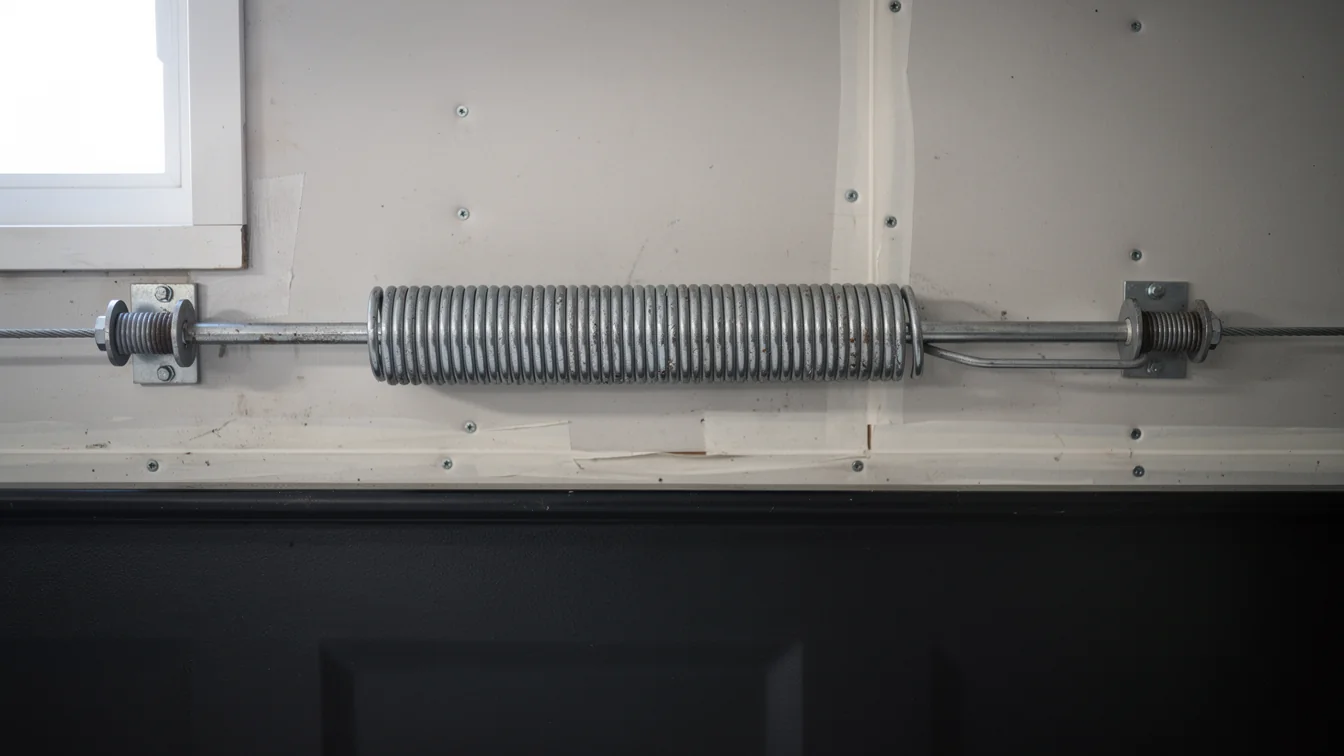 When a Spring Goes in Cold Weather in Madison
Why Madison's 1976-2012 housing stock and cold-moderate winters put extra stress on torsion springs, and what to do when one breaks mid-cold-spell.
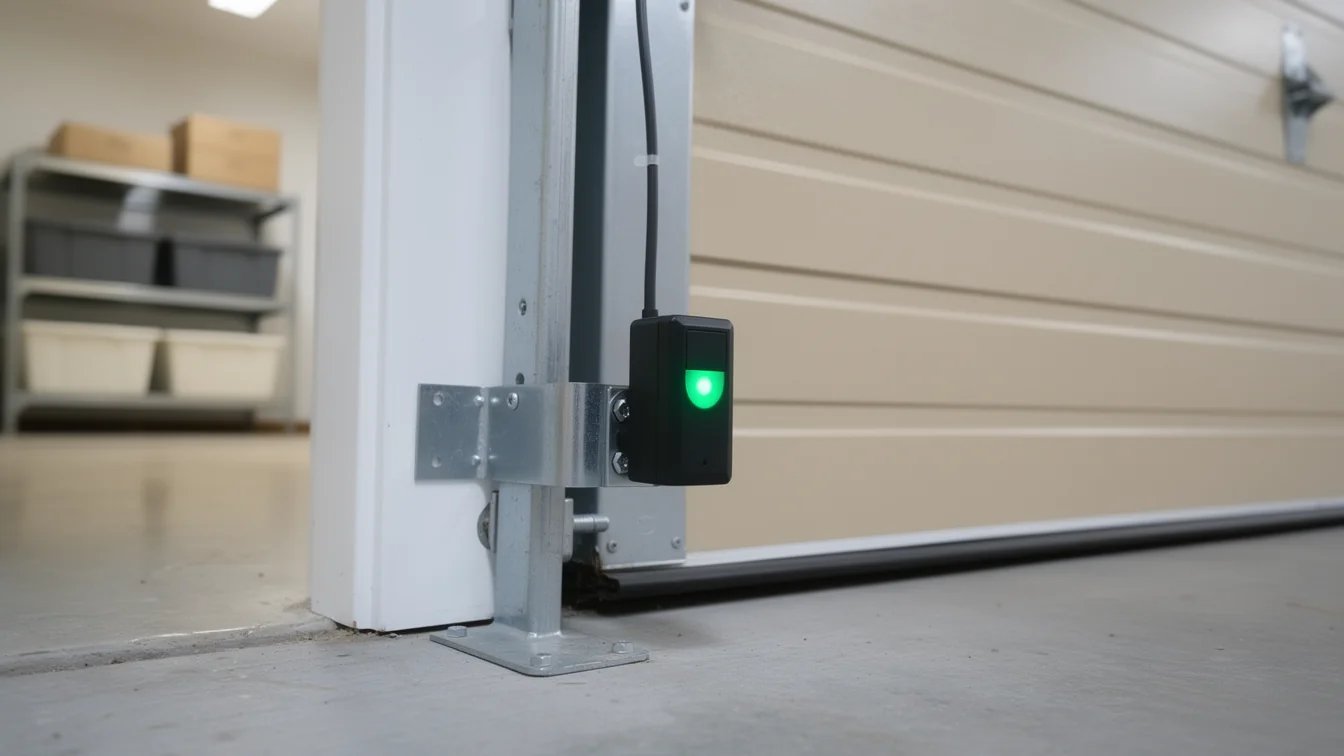 What the Seasons Do to a Madison Garage Door
Most Madison houses went up between 1976 and 2012.
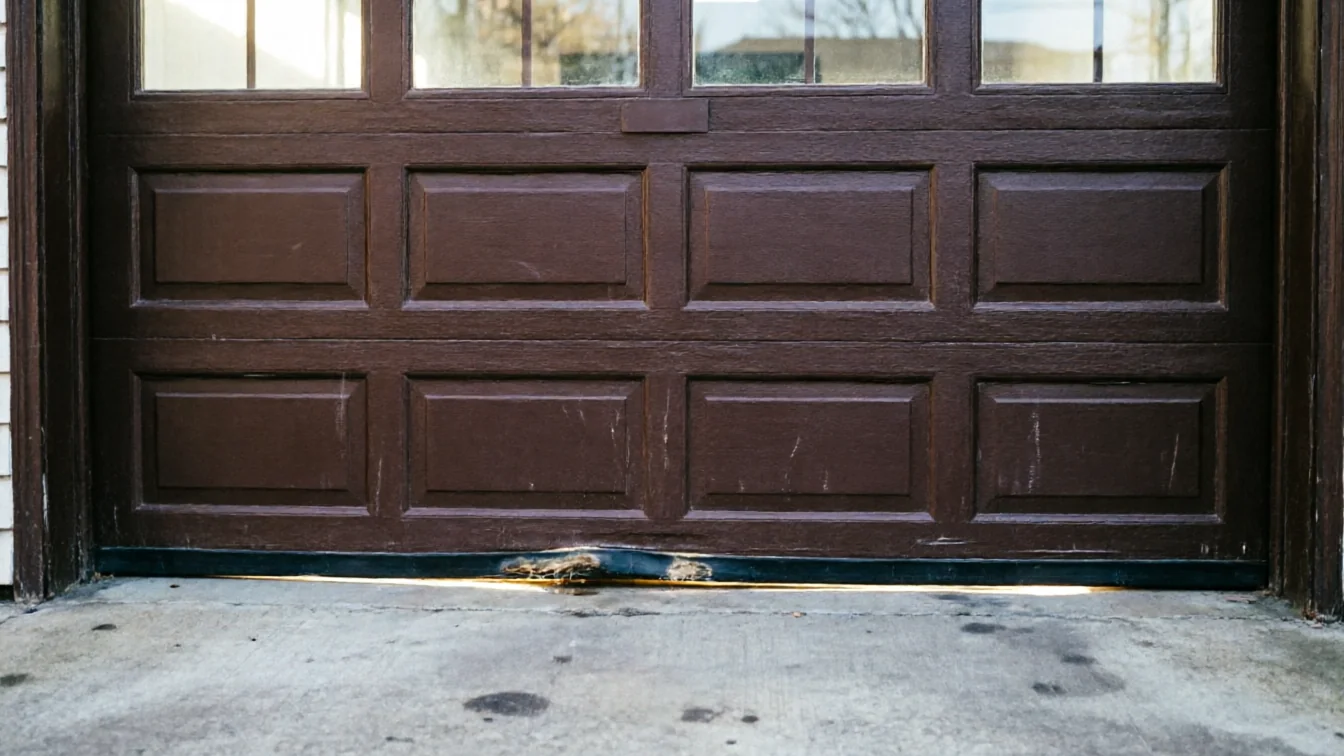 Here's What Happens When We Come Out to Your Door
A plain look at what a Madison Garage Door Co.
Ready when you are
Need a garage door sorted in Madison?
Madison Garage Door Co repairs and installs garage doors, springs and openers in Madison, AL and the surrounding area.