Forcing a door by hand
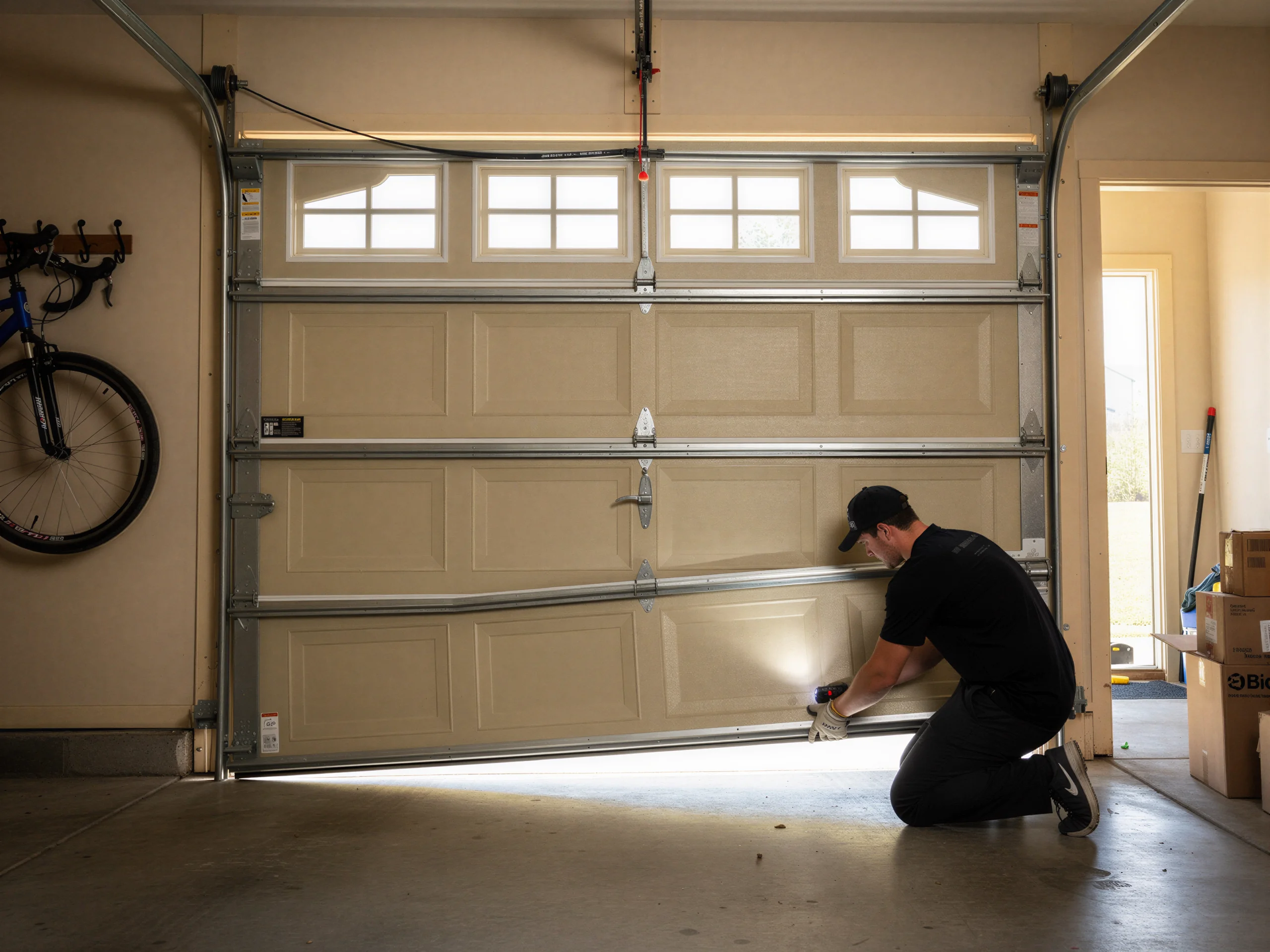
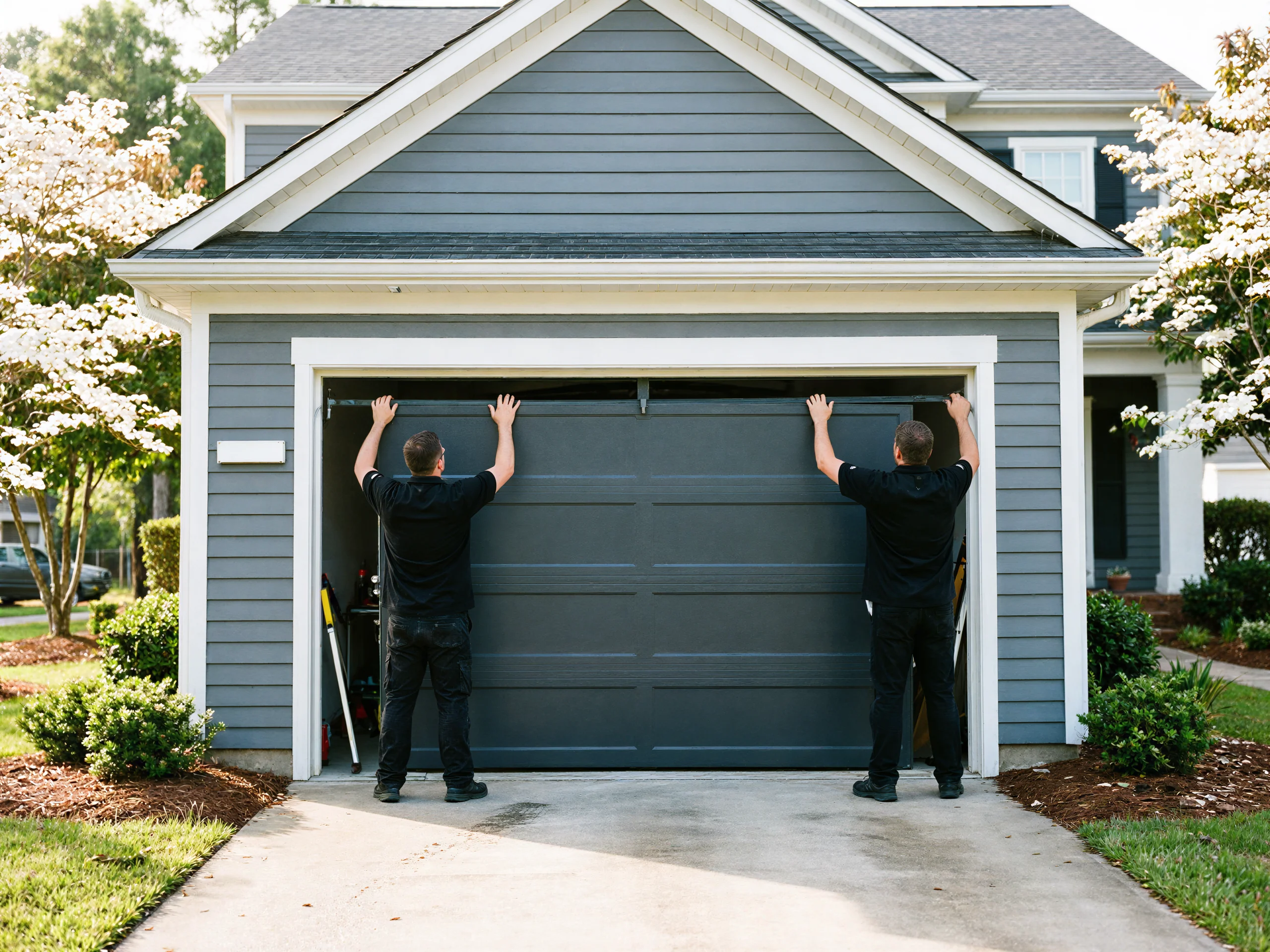
That's almost always a broken torsion spring, and on a double door it's dangerous to force by hand; the door is heavier than it looks without spring tension doing its job.
Madison, AL
Garage door repair for Madison, AL homes built mostly between 1976 and 2012. We fix the spring, opener, and track failures tied to this area's housing stock and cold-moderate winters.
Booking
Call us and tell us what the door is doing - not opening, stuck halfway, making a bang when it closes, or the opener running but the door not moving.
That's more useful to us than a guess at what's broken, because the fix for a stripped gear is nothing like the fix for a snapped cable, and we want to bring the right parts on the first trip. Most of Madison's housing dates to 1976-2012, with the bulk of it going up in the 1980s and 90s across the area's dozen or so named neighborhoods.
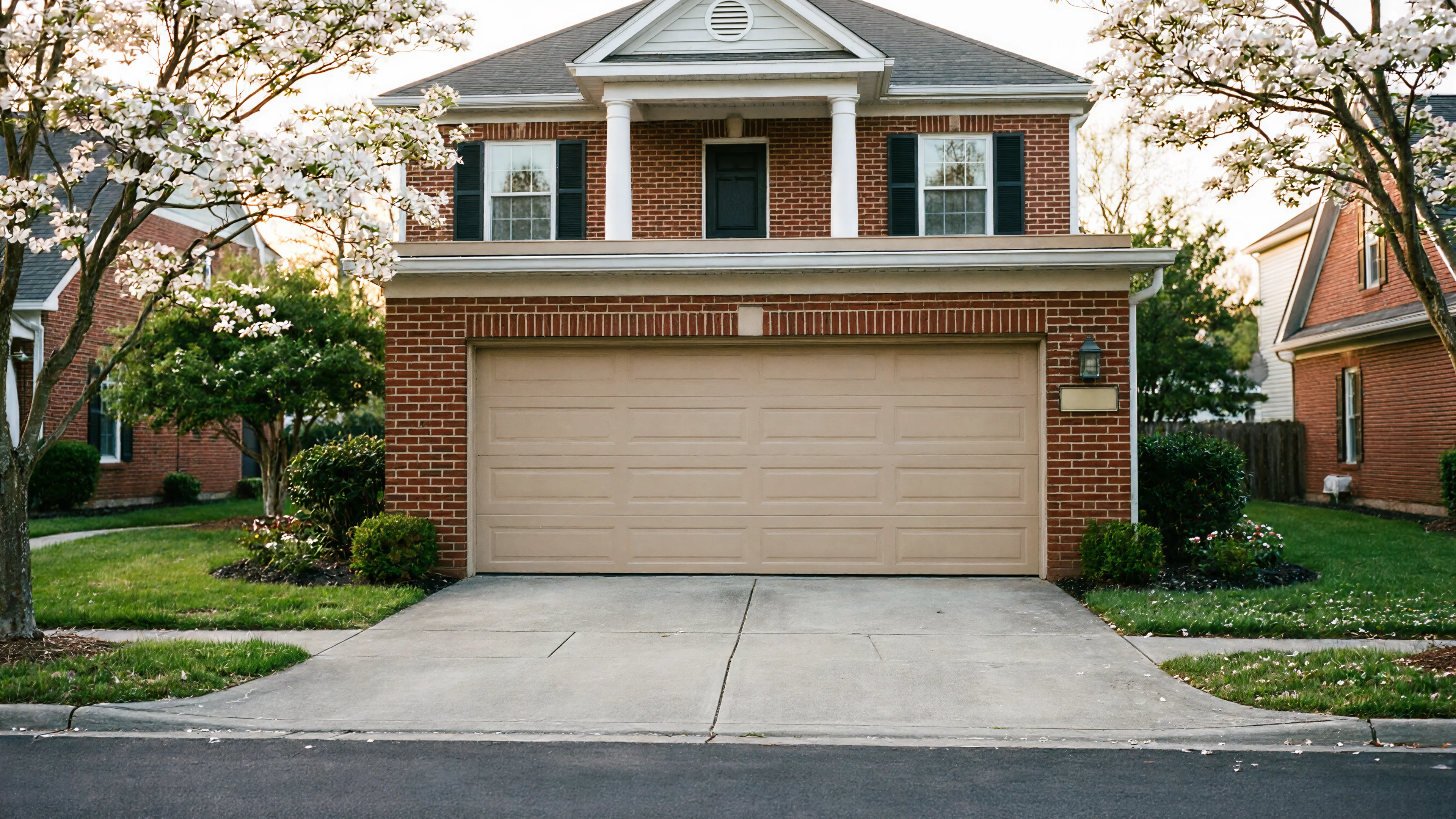
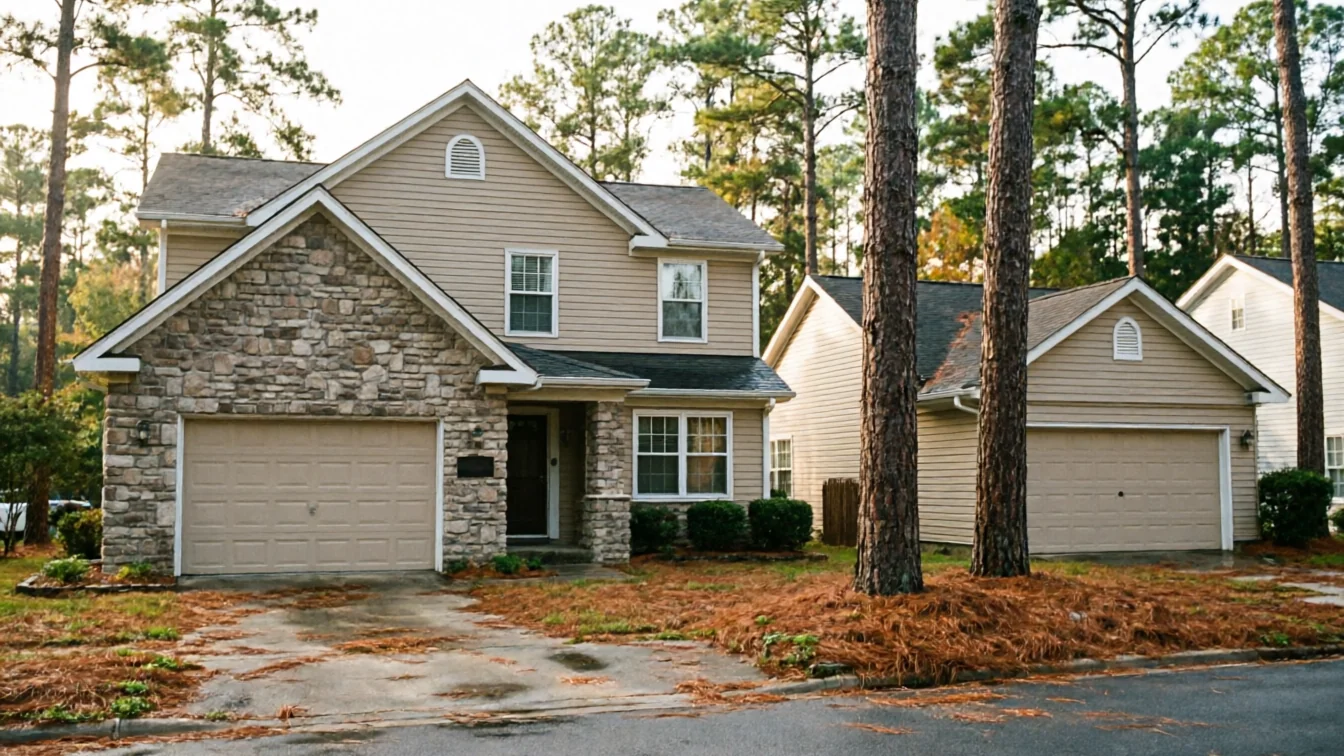
That matters for booking because it tells us roughly what hardware we're walking into before we ever see the door - torsion springs sized for a specific era of builder-grade doors, openers that are likely a second or third replacement unit, not original.
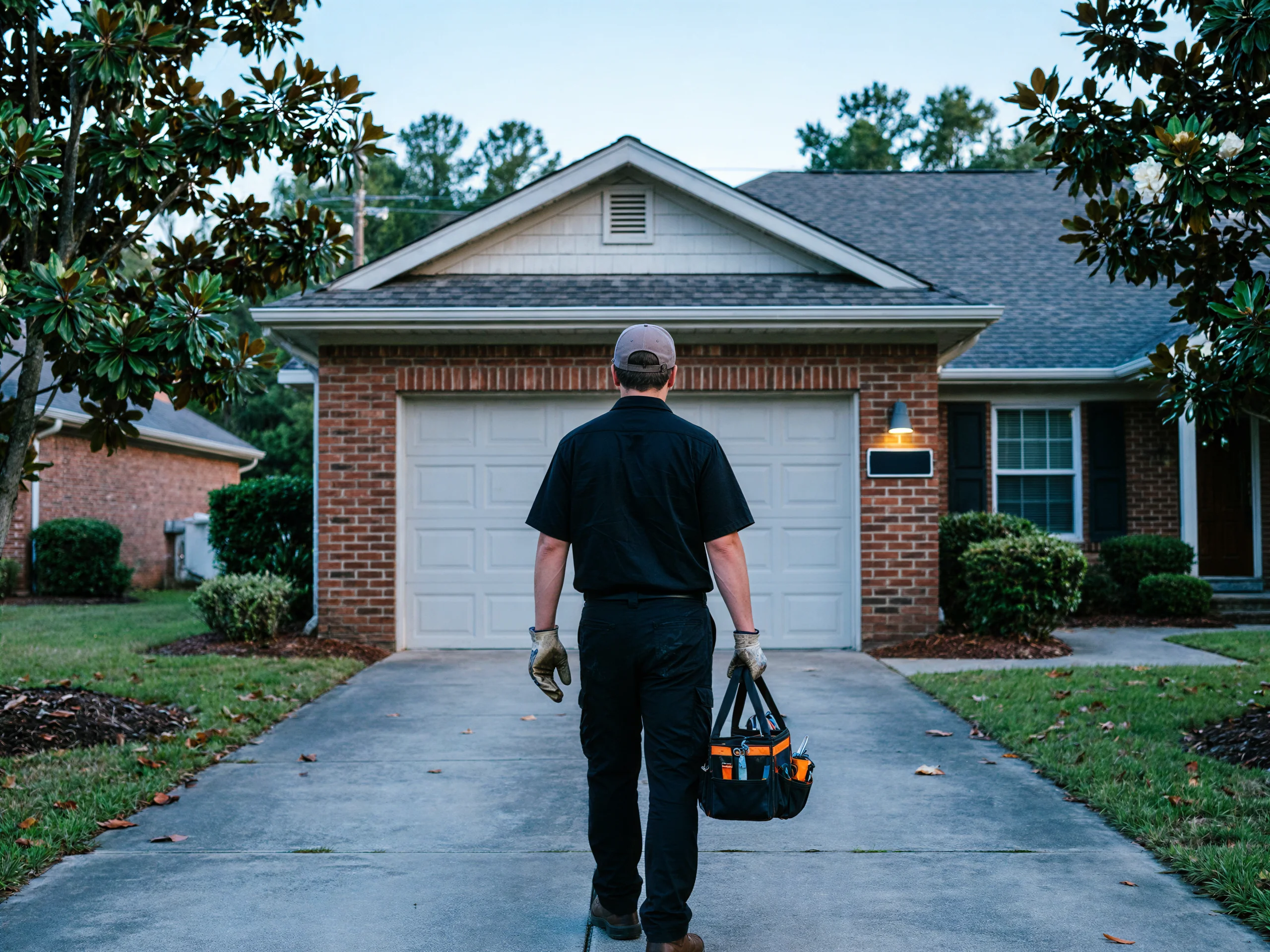
We work across the Madison service area, including homes near Redstone Arsenal and out toward Harvest and Meridianville. If you're not sure your address is in range, just ask when you call. We'll tell you straight whether it's a same-visit fix or a part we need to order first.
Local causes
A torsion spring is rated for a number of open-close cycles, and that number doesn't care what year it is - it cares about age and use. With most Madison houses built between 1976 and 2012 (median year 1993), a big share of the area's doors are now old enough that original or first-replacement springs are reaching the end of their cycle life at roughly the same time, house after house, street after street.
The climate plays a part too. Madison sits in a cold-moderate band, which means the metal in these springs and tracks goes through real temperature swings across a year, not the mild drift you'd get somewhere flatter in climate. Steel contracts in cold mornings and expands again by afternoon, and that repeated flex is exactly what fatigues a spring faster than a mild, steady climate would.
Across the 12,629 owner-occupied houses in the broader service area, this plays out the same way: a door that worked fine for fifteen years starts groaning, then one morning it doesn't open at all. It's not bad luck. It's a 1980s-90s door hitting the wall at the same time thousands of its neighbors are.
The repair
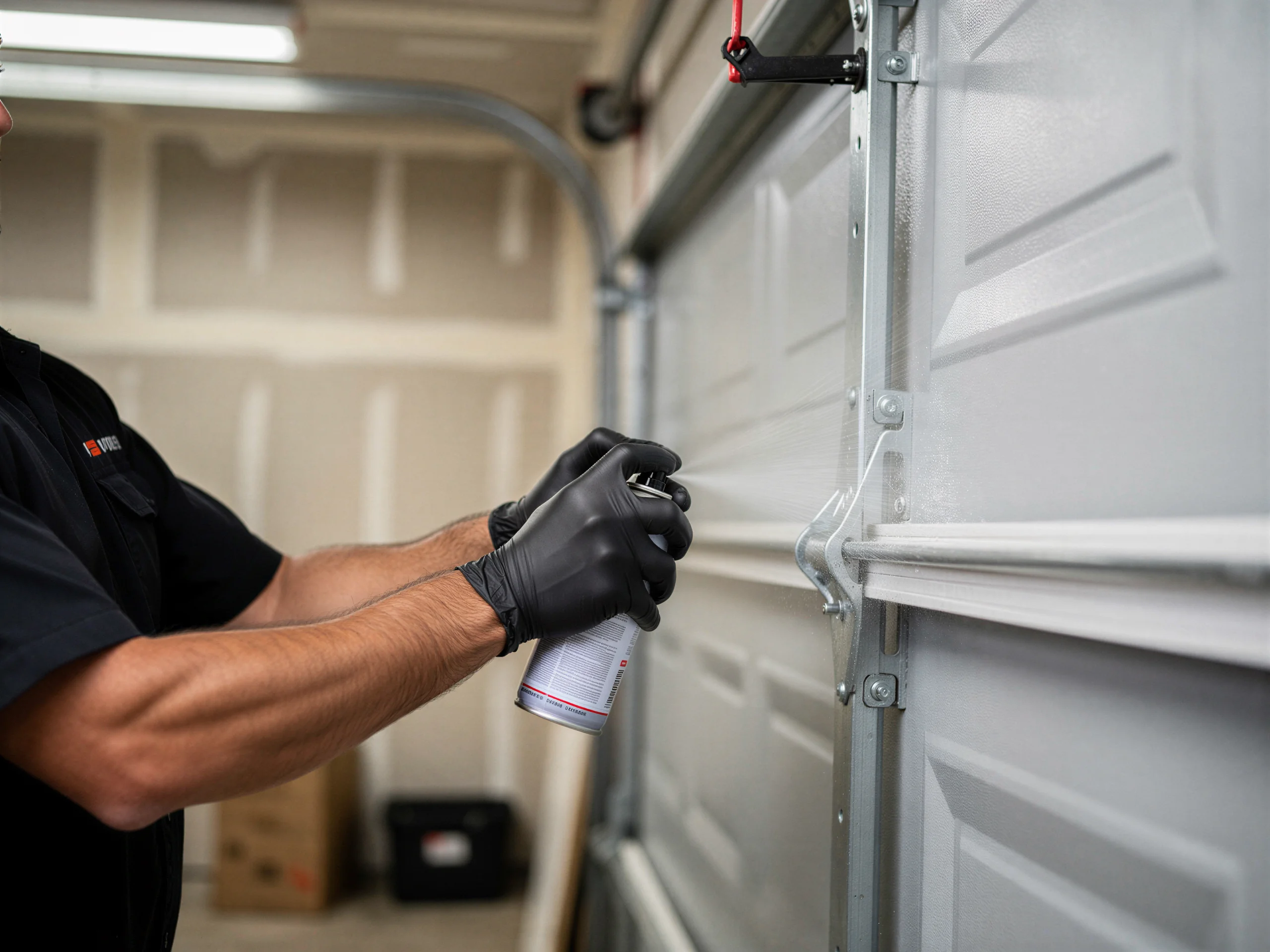
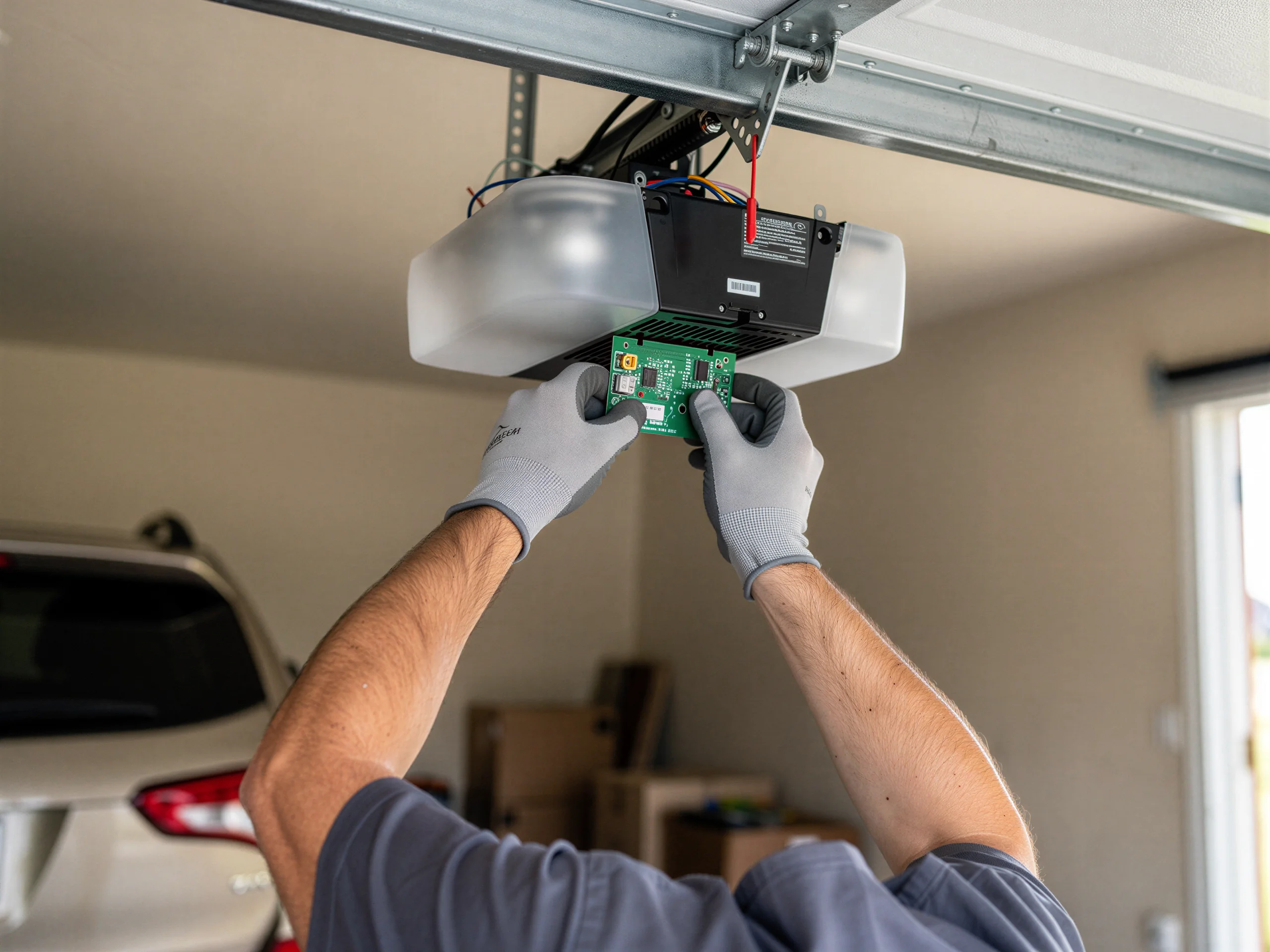
For a broken torsion spring, we're on site to replace it, check the cable and drum for wear from the sudden release, and rebalance the door so the opener isn't fighting a badly tensioned spring on day one. That part's usually one visit.
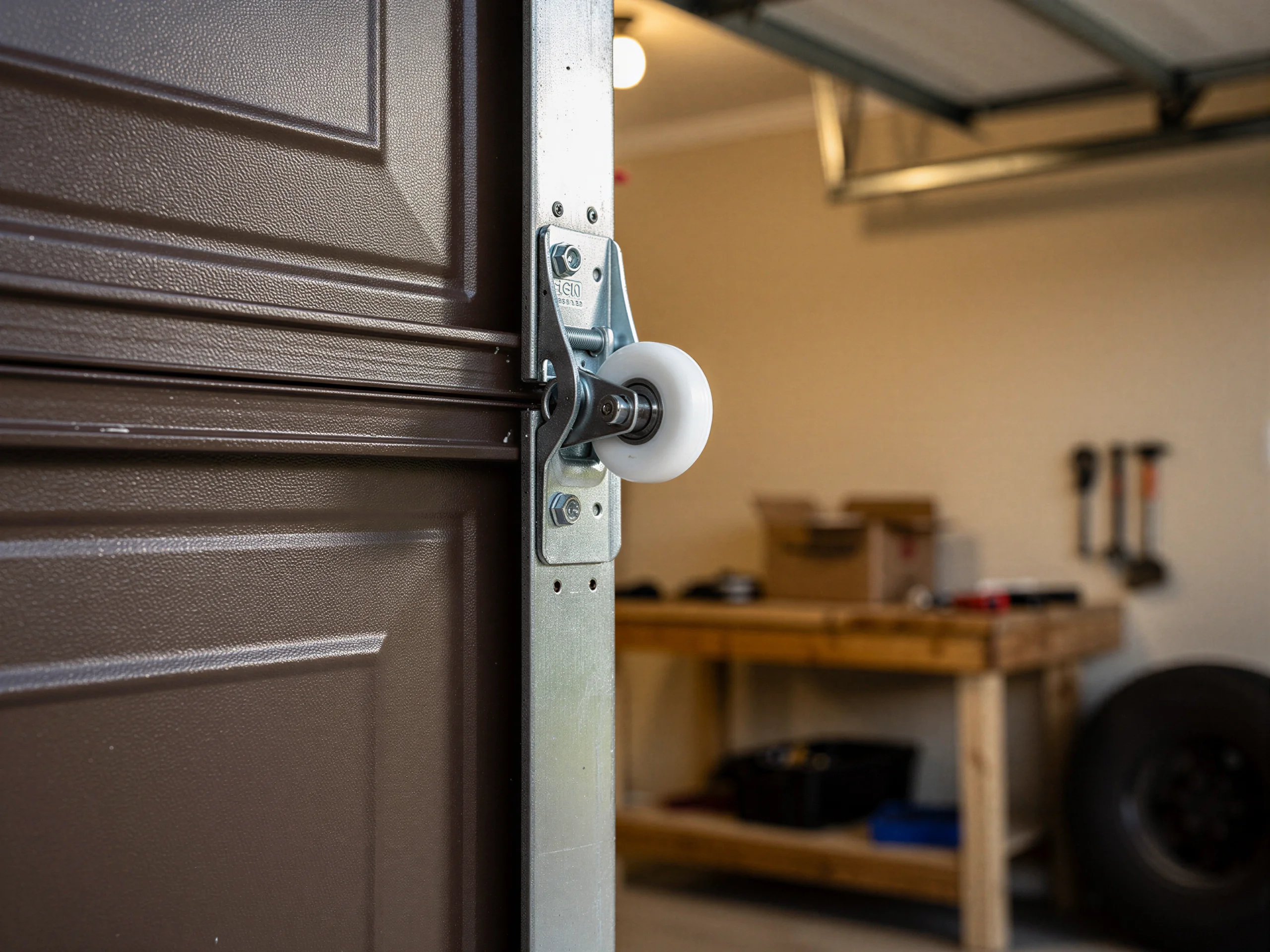
Where it gets slower is parts. A lot of the builder-grade doors from Madison's main construction era used tracks and hinge hardware that isn't stocked on every truck - we carry common sizes, but an older or less common panel sometimes means a short wait on a part before we can finish the job right instead of jamming in something close enough.
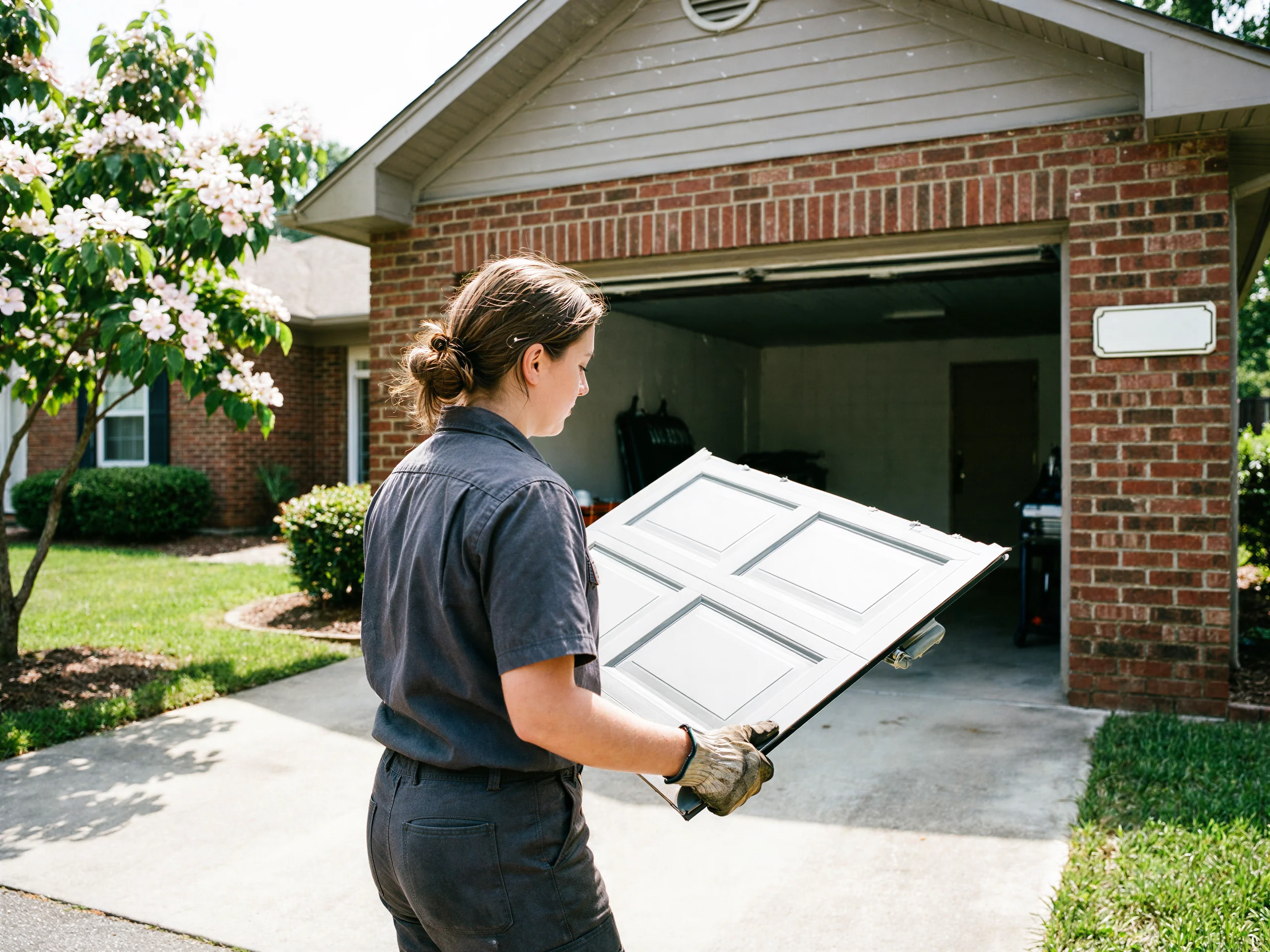
We'll also tell you when it's not worth fixing. If the door itself is original from the 1980s or 90s and the opener, springs, and panels are all failing around the same time, patching one piece just means we're back for the next one in six months. At that point, replacement costs about the same over a year or two and saves you the repeat calls.
Symptoms
The classic version: the door won't open, the opener motor runs (you can hear it), but nothing moves - or it moves an inch and stops.
That's almost always a broken torsion spring, and on a double door it's dangerous to force by hand; the door is heavier than it looks without spring tension doing its job.
A second version shows up as a loud bang from the garage, usually first thing in the morning when the temperature's dropped overnight. That's the spring letting go under the added stress of cold metal - more common here given Madison's cold-moderate swing than it would be in a climate that stays warm year-round.
If the door opens fine but shudders, sticks partway, or the opener strains and reverses, that's more often a track or roller problem than a spring. Either way, don't keep running the opener against resistance - that's how a track problem turns into a bent track, which is a longer repair than the one you started with.
Questions
Most houses here were built between 1976 and 2012, with the heaviest concentration in the 1980s and 90s. Torsion springs have a set cycle life, so doors from that era are reaching failure at roughly the same time across the area, not because of bad luck but because the hardware is the same age.
Yes. Madison sits in a cold-moderate climate band, and the temperature swing between cold mornings and warmer afternoons flexes the steel in springs and tracks more than a steady mild climate would. That repeated flex speeds up fatigue, which is why spring failures often show up as a bang on a cold morning.
Sometimes. If the door is original to a 1980s or 90s build and the opener, springs, and panels are all wearing out close together, fixing one part just means another part fails soon after. At that point replacement usually costs about the same over time and stops the repeat calls.
We cover the broader Madison service area, including communities out toward Harvest, Meridianville, and near Redstone Arsenal. If you're unsure whether your address is in range, call and ask before booking.
Explore more
Ready when you are
Madison Garage Door Co repairs and installs garage doors, springs and openers in Madison, AL and the surrounding area.